Define acceptance
Write required firmographic and technographic attributes, acceptable proxies, geographic boundaries, exclusions, and a freshness window. A useful ICP brief tells the agent when to return “unknown” instead of forcing a match.
The workflow keeps research, enrichment, drafting, and approval separate so a team can see what is known, what is inferred, and what still needs a person.
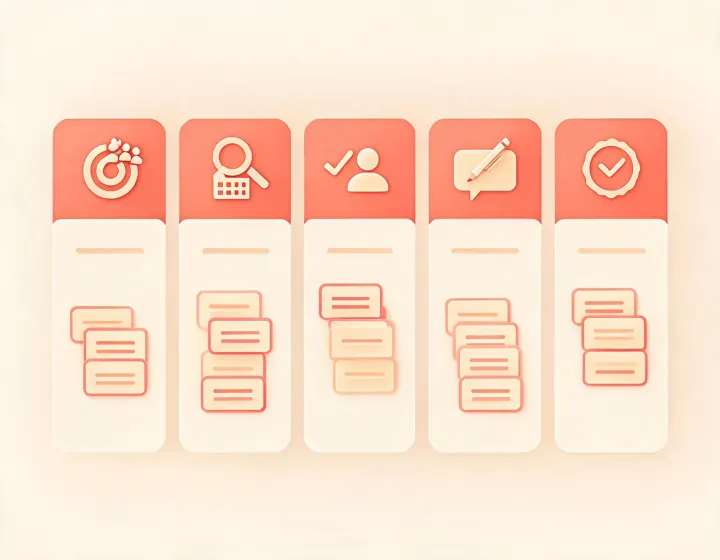
Write required firmographic and technographic attributes, acceptable proxies, geographic boundaries, exclusions, and a freshness window. A useful ICP brief tells the agent when to return “unknown” instead of forcing a match.
Compare company names, domains, locations, parent relationships, and dated events before enrichment. Similar names are not enough to merge records, and redirects do not automatically prove a corporate relationship.
Set provider order, field precedence, retry behavior, and write-back rules for waterfall enrichment. Keep source and checked date beside important fields so RevOps can audit corrections later.
Use relevant facts that a recipient could reasonably recognize. Do not convert funding, hiring, or a tool detection into a guaranteed pain point. Short, specific messages are easier for a reviewer to challenge.
Review audience, claim accuracy, tone, suppression status, authentication, and opt-out handling. Track outcomes as signals for the next hypothesis, not as proof that every similar account will respond.
Configure SPF, DKIM, and DMARC; control sending volume; monitor bounces; and separate list growth from sending pressure. A larger list is not valuable when reputation and relevance decline.
Each prospect should carry enough context for the next person to understand why it was selected. Preserve the original task, matched criteria, exclusions checked, unresolved fields, contact provenance, and message rationale. This record lets a founder adjust a thesis, an SDR manager coach research, and RevOps identify a failing provider without rebuilding the whole workflow.
Human-in-the-loop is an operating rule, not decorative language. Decide who can approve a list, who can approve copy, what volume requires escalation, and which regions need extra legal review. If a provider cannot expose provenance or deletion behavior, label that limitation before production use.
Copy the exact command, run it in your terminal, inspect the package prompts, configure scoped credentials, and validate a known test account before broader use.